Runs Girls and Economic Church Dynamics
by Subomi Plumptre

Lately, I’ve been thinking about “Runs Girls.” For the uninformed, a Runs Girl is Nigerian slang for a young woman who pursues transactional relationships—trading sex, companionship, or intimacy for money, gifts, housing, or other material benefits.
What struck me with compassion were the women who become Runs Girls serendipitously. Many times, sophisticated commercial sex has no agreed upfront price but is instead assumed. It can be as cheap as having a place to stay for the night or as thrilling as accompanying a celebrity to an awards show.
Demand & Supply Dynamics
As I thought about this phenomenon, my mind drifted to the underlying economic principles.
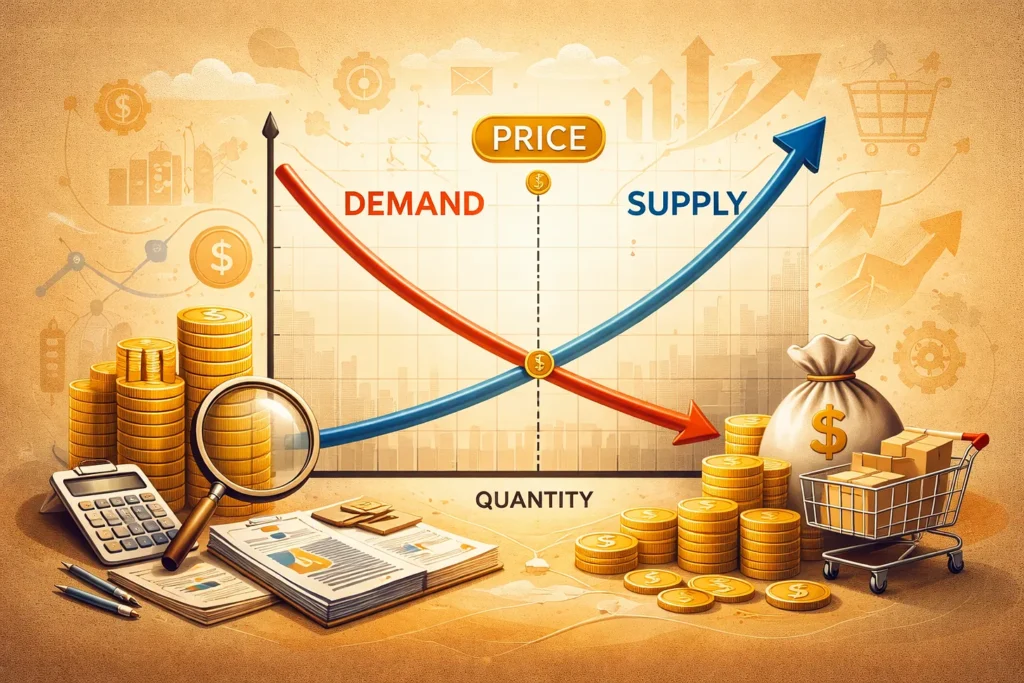
The supply of Runs Girls exists because the men are both willing and able to pay. Price is therefore the clearing mechanism. Any surprise, then, about the monetization of Jesus too? It follows the same ageless economic proposition—demand jams plenty supply.

Prosperity Movements and Unintended Consequences
If you’re familiar with the Prosperity movement in pentecostal churches and orthodox gatherings, you would recall that it was popularised in America in the 1950s and then became localised in Africa (especially Nigeria) in the 1980s.
It asserts that material wealth, physical health, and success are signs of divine favor and can be activated through actions, especially giving (tithes, offerings, and seeds), positive confession, and unflinching obedience to spiritual authority.
I honestly believe God had an original purpose for the prosperity message—perhaps incredible faith and a fast-track way of resourcing the Church. But activity without global purpose often morphs into individual expression. Demand and supply then co-exist in a delicate equilibrium that leads to a situation of peak economic optimisation.
Time of Transition
What I suspect is that the prosperity movement was always meant to be transitory by design. It appears to have been part of God’s original plan. Therefore, I choose to learn from it and be grateful to the fathers and mothers while turning my attention to the next chapter of the Church.
The present evolution speaks to the emergence of a Kingdom that is a Family, and the raising of kings who will cast their crowns before the King of kings.
These are some of my observations, not judgements – I tend to reserve my opinions for things that are within my professional expertise.
For more, read The Digital Church